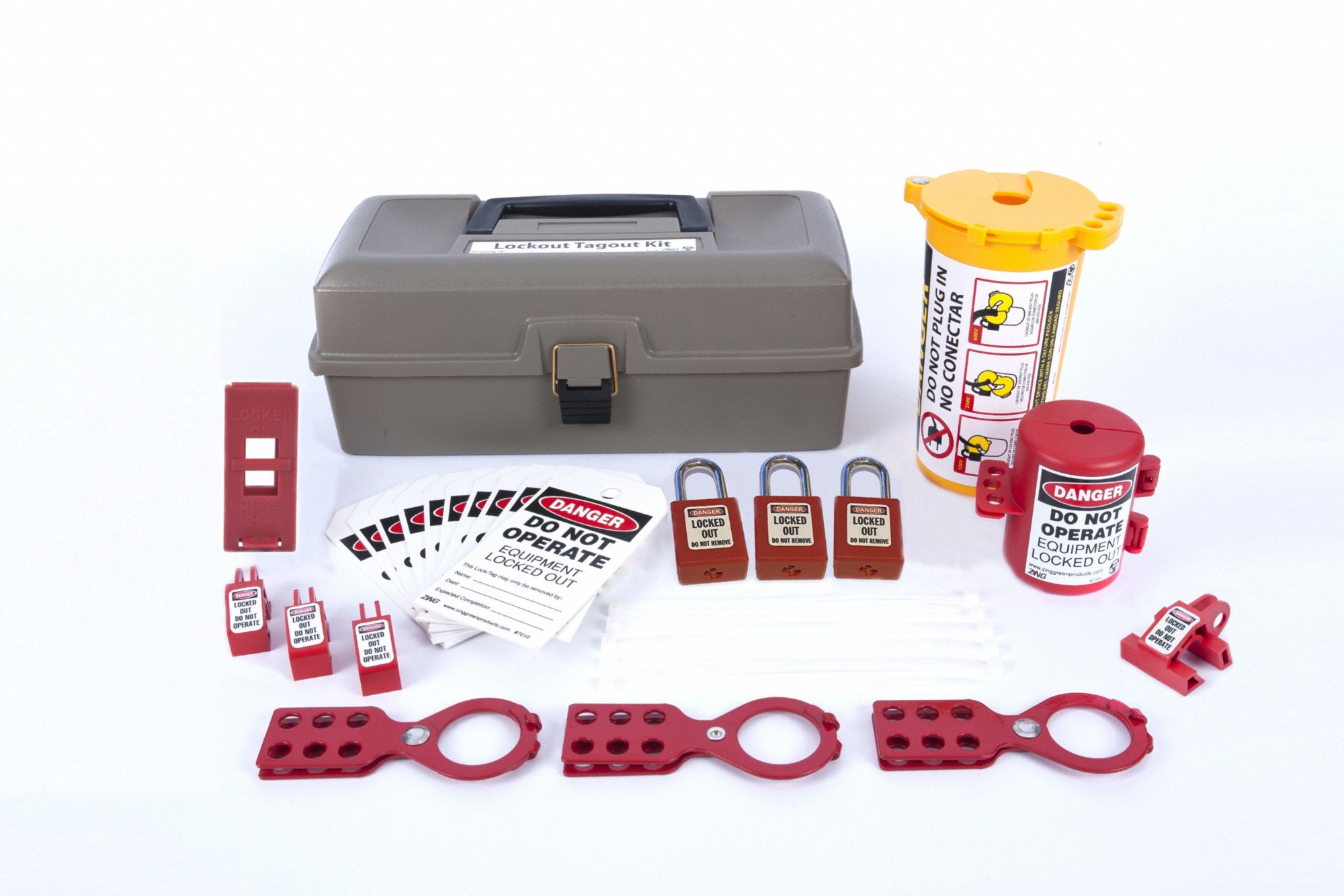
Every year, hundreds of workers are injured or killed during servicing or maintenance of industrial equipment when machines start unexpectedly. The root cause? Failed energy control — and the absence of a properly implemented lockout tagout (LOTO) system. Lockout tagout locks are the frontline defense in these scenarios, physically securing energy-isolating devices to prevent accidental startup. Grainger, a leading industrial supply distributor, offers a comprehensive selection of LOTO locks that meet OSHA standards and support real-world safety workflows.
But not all locks are equal. Choosing the right lockout device from Grainger requires understanding the types available, compatibility with equipment, material durability, and how they integrate into your plant’s safety culture. This guide cuts through the noise, focusing on practical selection, application, and implementation of lockout tagout locks available through Grainger — with insights drawn from field use and industry best practices.
Why Lockout Tagout Locks Matter in Industrial Settings
LOTO isn’t just a safety protocol — it’s a legal requirement under OSHA 29 CFR 1910.147. The standard mandates that employers implement procedures to control hazardous energy during servicing. At the heart of this system are physical lockout devices, with padlocks being the most visible and widely used.
A single failure in the lockout process can have catastrophic consequences: - A maintenance worker clearing a jammed conveyor gets caught when the machine restarts remotely. - An electrician servicing a motor panel is electrocuted due to an unverified isolation point. - A valve is accidentally reopened during pipeline maintenance, releasing pressurized fluid.
These incidents are preventable with the right locks in place — and Grainger stocks the hardware that stops them.
The key is selecting locks that are durable, standardized, and resistant to tampering, while also being practical for daily use. Grainger’s inventory supports this by offering bulk options, color-coded systems, and compatibility across brands — essential for large teams and multi-shift operations.
Types of Lockout Tagout Locks Available at Grainger
Grainger carries a wide array of LOTO locks designed for different applications and energy sources. Understanding the types helps match the right device to the hazard.
Padlocks for Isolation Points Standard LOTO padlocks are the foundation of any program. They’re used to secure breaker locks, valve covers, disconnect switches, and more. Grainger offers: - Keyed-alike locks for team access - Keyed-different locks to ensure individual accountability - Master-keyed systems for supervisory override (used cautiously)
Most are made from non-conductive materials like nylon or polycarbonate to prevent electrical hazards. Metal-bodied locks are available but typically avoided in high-voltage environments.
Cable Locks for Complex Equipment For machines without standard lock points — such as robotic arms or control panels — cable locks provide flexibility. Grainger offers adjustable steel-cable models (3.9" to 8" lengths) that wrap around handles, levers, or valves. These are common in automotive plants and food processing lines where equipment design varies.
Group Lockout Hasps During multi-person maintenance, each worker applies their own lock to a shared hasp. Grainger stocks hasps compatible with most LOTO padlocks, allowing parallel isolation with individual control. These are essential for HVAC servicing, boiler maintenance, or any job involving cross-trade collaboration.
Valve Lockouts Rotary and linear valves pose unique risks. Grainger offers plastic and stainless-steel valve lockouts that immobilize handles and prevent accidental operation. For ball valves, flanged lockouts clamp over the lever; for gate valves, sliding locks restrict stem movement.
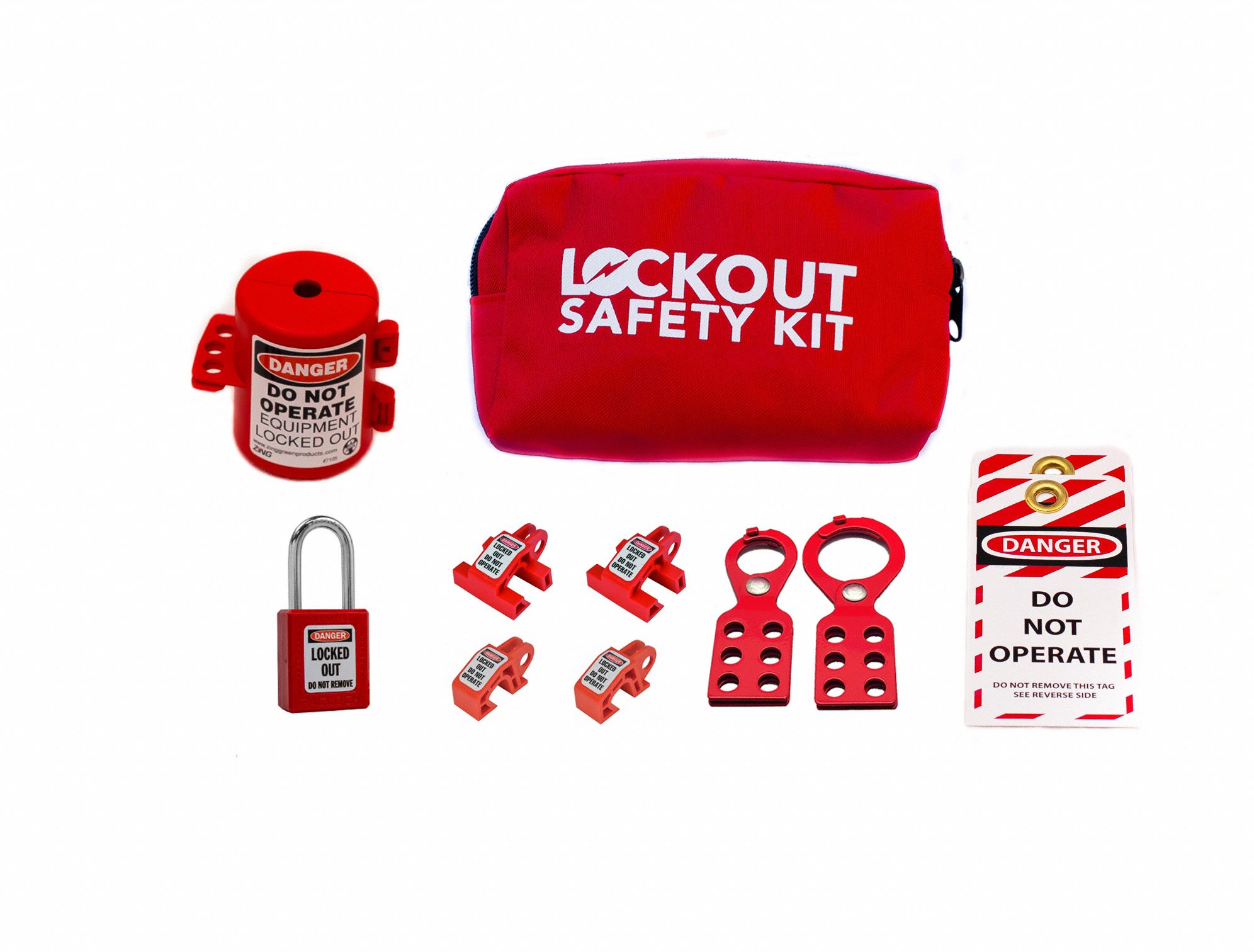
Plug and Receptacle Covers Electrical isolation isn’t just about breakers. Disconnecting motors or tools at the plug level requires outlet lockouts. Grainger sells plug lockout devices that prevent reinsertion of power cords, often used in machine shops and assembly lines.
Each type serves a specific purpose — and Grainger categorizes them clearly, making it easier to build a complete kit.
Top LOTO Lock Brands Sold by Grainger
Grainger partners with reputable safety manufacturers known for durability and standards compliance. These brands dominate industrial procurement lists for good reason.
| Brand | Known For | Common Use Cases |
|---|---|---|
| Brady | Chemical resistance, color-coding | Chemical plants, refineries |
| Grainger (in-house) | Cost-effective, OSHA-compliant | General manufacturing |
| Master Lock | Durability, keyed systems | Multi-site operations |
| Grace Industries | High-viz colors, ergonomic design | Large facilities with shift changes |
| SPC | Non-conductive materials | Electrical utility work |
Brady’s LOTO locks, for example, are engineered for extreme environments — resistant to oils, solvents, and UV exposure. They’re often chosen for outdoor or heavy-industrial use. Grainger’s own branded locks provide a reliable, lower-cost alternative for facilities with tight budgets but high volume needs.
When sourcing from Grainger, verify the brand specifications against your environment. A warehouse with minimal chemical exposure might not need premium Brady locks — a Grainger or Master Lock option may suffice.
How to Select the Right LOTO Lock from Grainger
Choosing the wrong lock can create a false sense of security. Consider these factors when ordering:
1. Environmental Conditions
- In wet or outdoor areas, use stainless-steel shackles or corrosion-resistant bodies.
- For food processing, select smooth, non-porous materials that resist cleaning agents.
- High-temperature zones require locks rated for heat (e.g., polycarbonate over nylon).
2. Lock Compatibility Ensure locks work with your existing hasps, breaker covers, and valve devices. Grainger lists compatibility on product pages — cross-check before bulk orders.
3. Color-Coding Strategy Use color-coded locks to indicate department, energy type, or clearance level. Grainger sells locks in red (standard), blue (contractor), yellow (warning), and green (reset). This reduces confusion during shift changes.
4. Shackle Size and Clearance Measure the space where the lock will be applied. A 5/16" shackle won’t fit over a thick valve stem. Grainger includes shackle dimensions in specs — don’t skip this step.
5. Key Control Policy Decide whether you need keyed-alike (shared access), keyed-different (individual control), or keyed-alike master (supervisor override). Mismanaged keys undermine LOTO integrity.
Avoid the common mistake of buying the cheapest option without assessing long-term wear. A $5 lock failing during a critical isolation isn’t a savings — it’s a liability.
Common Mistakes in LOTO Lock Usage
Even with the right locks from Grainger, poor practices can compromise safety:
- Using personal locks for non-LOTO purposes — dilutes accountability
- Leaving keys in locks — defeats the purpose of isolation
- Sharing lock keys between workers — violates individual control
- Using damaged or corroded locks — increases failure risk
- Failing to document lock applications — breaks audit trails
One Midwest factory was cited by OSHA after an inspector found three locks on a single hasp — all with the same key held by one supervisor. That violates the “individual control” principle of LOTO. Grainger’s selection of keyed-different locks helps prevent this, but training and enforcement are just as critical.
Another issue: using standard hardware-store padlocks instead of OSHA-compliant LOTO locks. These often have steel bodies, conductive materials, and lack standardization. Grainger’s LOTO-specific inventory avoids these pitfalls — but users must still verify product specs.
Practical Use Case: Implementing a LOTO Lock System in a Packaging Plant
A regional beverage packaging plant faced recurring near-misses during line changeovers. Investigations revealed inconsistent lock usage — workers borrowed locks, used non-standard devices, or skipped tagging.
- They turned to Grainger to rebuild their system:
- Purchased 50 red Grainger-branded LOTO padlocks (keyed-different)
- Added 10 blue locks for contractor use
- Installed cable locks for robotic arm isolation
- Deployed valve lockouts on CO2 lines
- Trained all maintenance staff on lock application and removal
Within six months, audit compliance rose from 62% to 98%. More importantly, zero LOTO-related incidents were recorded over the next 18 months. The total cost: under $1,200 — a fraction of a single OSHA fine.
This case shows that effective LOTO isn’t about complexity — it’s about consistency, correct hardware, and access to reliable suppliers like Grainger.
How Grainger Stacks Up Against Other LOTO Suppliers
While competitors like Fastenal, MSC, and Zoro offer LOTO products, Grainger holds distinct advantages:
- National distribution network — next-day delivery to most industrial zones
- Detailed product filtering — search by shackle size, material, OSHA compliance
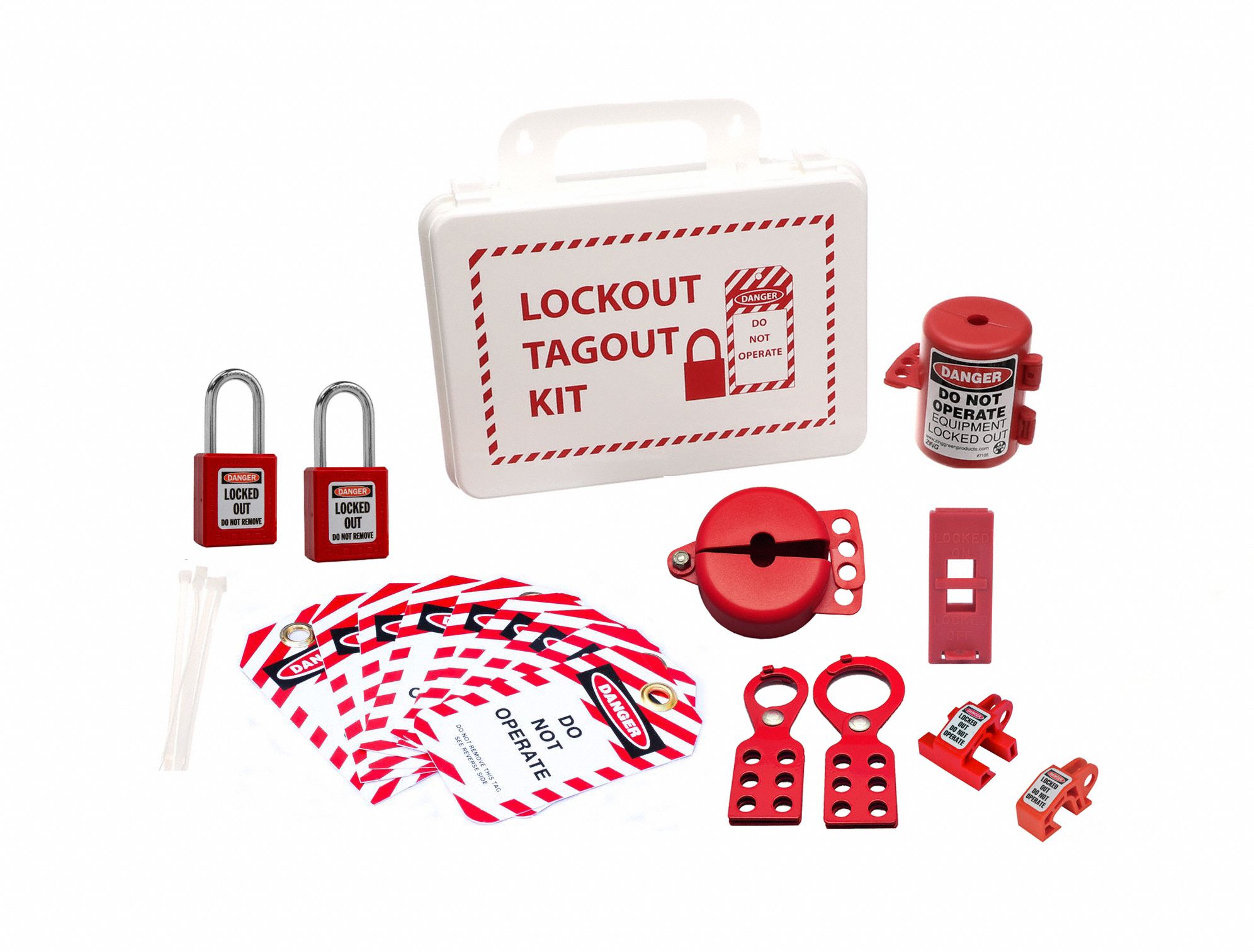
- Bulk pricing and kits — full lockout stations available
- Technical support — access to safety specialists for complex setups
However, Grainger’s in-house brand isn’t always the most durable. For high-abuse environments, pairing Grainger logistics with premium brands like Brady or Grace often delivers the best balance.
Unlike some online-only vendors, Grainger offers in-branch pickup and expert guidance — crucial when selecting safety-critical items. Their website includes PDF spec sheets, compatibility charts, and installation diagrams, reducing guesswork.
Build a Reliable LOTO Program with the Right Locks
Lockout tagout locks from Grainger aren’t just hardware — they’re part of a culture of safety. The right lock prevents a momentary lapse from becoming a life-altering event. Whether you’re upgrading an existing program or starting from scratch, prioritize OSHA-compliant, durable, and standardized devices. Use Grainger’s inventory to source locks that fit your equipment, environment, and workflow — then enforce strict usage policies.
Start by auditing your current isolation points. Identify where locks are missing or failing. Order a starter kit from Grainger, train your team, and document every application. Safety isn’t one purchase — it’s consistent execution. And the locks you choose today could save a life tomorrow.
FAQ
What are the OSHA requirements for lockout tagout locks? OSHA requires locks to be durable, standardized, substantial, and identifiable. They must clearly indicate the employee who applied them and resist environmental conditions.
Can I buy LOTO locks in bulk from Grainger? Yes, Grainger offers bulk pricing on padlocks, cable locks, and complete lockout kits, ideal for large teams or multi-site operations.
Are Grainger’s in-house LOTO locks OSHA-compliant? Yes, Grainger’s branded LOTO locks meet OSHA 29 CFR 1910.147 requirements for durability, identification, and performance.
What’s the difference between LOTO padlocks and regular padlocks? LOTO padlocks are non-conductive, tamper-resistant, and designed for standardized use. They often have safety-colored bodies and restricted key systems.
How do I replace a lost LOTO lock key? If the lock is in place and the employee is absent, follow your site’s removal procedure — typically involving a supervisor and documented verification. Never force removal.
Can contractors use LOTO locks from Grainger? Yes, and they should. Many facilities use color-coded locks (e.g., blue) specifically for contractor teams to maintain clear accountability.
Do Grainger LOTO locks come with tags? Locks are sold separately from tags. However, Grainger offers LOTO tag kits that include durable, tamper-resistant tags with space for name, date, and reason.
FAQ
What should you look for in Lockout Tagout Locks at Grainger: Safety Solutions for Workplaces? Focus on relevance, practical value, and how well the solution matches real user intent.
Is Lockout Tagout Locks at Grainger: Safety Solutions for Workplaces suitable for beginners? That depends on the workflow, but a clear step-by-step approach usually makes it easier to start.
How do you compare options around Lockout Tagout Locks at Grainger: Safety Solutions for Workplaces? Compare features, trust signals, limitations, pricing, and ease of implementation.
What mistakes should you avoid? Avoid generic choices, weak validation, and decisions based only on marketing claims.
What is the next best step? Shortlist the most relevant options, validate them quickly, and refine from real-world results.